The Art of the Slow Burn: Why Making Readers Wait Works

Looking for your next great read? Check out my latest books.
Why this take?
A reader messaged me last week: "I need them to kiss already. I'm going insane." She was on chapter fourteen of a twenty-eight chapter book. I screenshot that message and framed it in my office. Digitally. In a folder called PROOF IT WORKS.
The slow burn is the most divisive trope in romance. People either crave it like oxygen or want to throw the book across the room by page fifty. I'm firmly in the first camp, both as a reader and a writer, and I want to talk about why delayed gratification makes for better love stories.
The economics of wanting
Think about the best meal you've ever eaten. Was it the one you grabbed from a drive-through at 2 PM because you forgot lunch? Or was it the one you spent all day smelling from the kitchen, the one where the anticipation was almost better than the first bite?
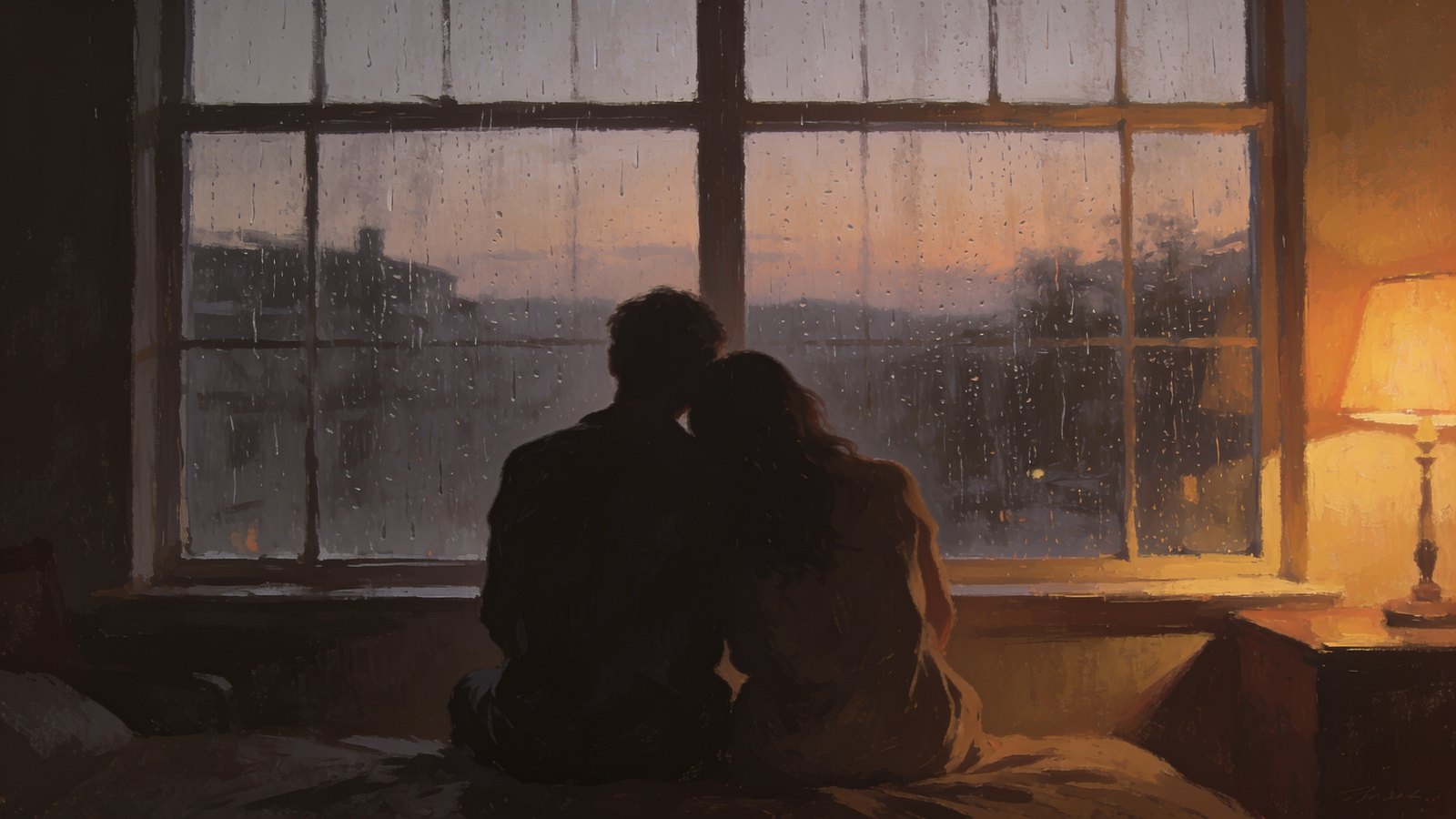
Slow burn romance works the same way. Every lingering look, every almost-touch, every interrupted moment — it all compounds. By the time the characters actually get together, the reader has been holding their breath for so long that the release is physical. You feel it in your chest.
That's not an accident. That's engineering.
How I build the tension
I have a rule I follow when writing slow burn: the characters have to want each other before the reader does. If I'm doing my job right, the longing should radiate off the page like heat from asphalt in July. The reader should feel like a voyeur catching two people in the exact moment before something shifts.
The mechanics are deceptively simple. Proximity without contact. Conversations that say one thing and mean another. Physical awareness — noticing the way someone's collar sits, the sound of their laugh from across a room, the specific temperature of their hand when it accidentally brushes yours.
Then you interrupt it. Every single time. That's the cruel part, and it's non-negotiable. The reader has to be denied at the exact moment they think they're about to get what they want. Repeatedly. Until the denial itself becomes its own kind of pleasure.
When slow burn goes wrong
I'll be honest — I've screwed this up. There's a fine line between delicious anticipation and reader frustration, and I've landed on the wrong side of it.
The mistake is usually the same: manufactured obstacles. If the only thing keeping two characters apart is a misunderstanding that could be solved with one honest conversation, readers see through it immediately. The barrier has to be real. It has to be internal. It has to be the kind of thing that makes the reader think, "Yeah, I understand why they can't do this yet, even though I desperately want them to."
In my Lethal Hearts series, the slow burn works because Nyx genuinely cannot afford to trust anyone. It's not stubbornness — it's survival. Every inch she gives Declan is a calculated risk, and the reader feels the danger of each concession. That's what makes the payoff land.
The other kind of slow burn I write
Aria and Darius in Fallen Hearts run on a different clock than Nyx and Declan, and I think the contrast is useful for anyone trying to learn this technique. Nyx's burn is about survival — she cannot afford to trust, so every scene where she doesn't pull away is a small act of risk-taking under duress. Aria's burn is about function. She is a queen before she is anything else on the page, and the tension isn't whether she's attracted to Darius, it's whether she can afford, structurally, to let herself want something that isn't the throne. Darius doesn't remove his mask in front of her until chapter eight. They don't say the words until chapter eight either — the same chapter, deliberately, because the mask coming off and the confession happening at once is the whole argument of the scene: you cannot ask someone to be honest with you while you're still hiding.
Two different women, two different reasons to make the reader wait, and neither burn would work if I swapped the mechanism. Nyx delayed by fear reads as growth. Aria delayed by duty reads as sacrifice. Getting the reason right is, in my experience, ninety percent of whether a slow burn feels earned or just withheld.
The mistake I see most in other writers' drafts
When I beta read for other authors — which I do more than I probably should, given my own deadlines — the slow burn mistake I flag most often isn't pacing. It's motivation drift. A writer will establish a real reason for the characters to hold back in chapter three, and by chapter fifteen the reason has quietly evaporated but the holding-back continues anyway, because the outline said "slow burn" and nobody revisited whether the burn still made sense. The fix isn't always to speed up the timeline. Sometimes it's to find a new, honest reason for the delay that matches where the characters actually are by that point in the book — because readers can feel the difference between tension that's earned scene by scene and tension that's just being administered on schedule.
The payoff has to be worth it
Here's the contract with the reader: if you're going to make them wait, you'd better deliver. The first kiss, the first real confession, the first time they choose each other without reservation — it has to be worthy of everything that came before it.
I write those scenes like they're the last scenes I'll ever write. Every word matters. Every breath. I want the reader to put the book down afterward and just sit there for a minute, processing. If I get a message that says "I had to close my Kindle and stare at the ceiling," I know I did my job.
How I know when the burn has gone on too long
There is a failure mode on the other side of this too, and I have hit it myself. If the barrier keeping two characters apart is real and internal, as I argued above it needs to be, it is still possible to simply enjoy writing the tension so much that you keep manufacturing reasons to extend it past the point where the reader believes the characters would still be resisting. My test for this is blunt: I ask whether the character holding back would, realistically, still be holding back given everything that has happened to them by this chapter, or whether I am the one holding back on their behalf because I like where we are. If the honest answer is the second one, the burn has to resolve, whether or not I am ready to let it.
That's my take on things, anyway. Now if you'll excuse me, I have two characters in chapter eleven who are very much not kissing yet. And I intend to keep it that way for at least seven more chapters.
Find all my books and series on my bookshelf.