Why I Keep Writing Found Family Into Everything
Looking for your next great read? Check out my latest books.
Why this take?
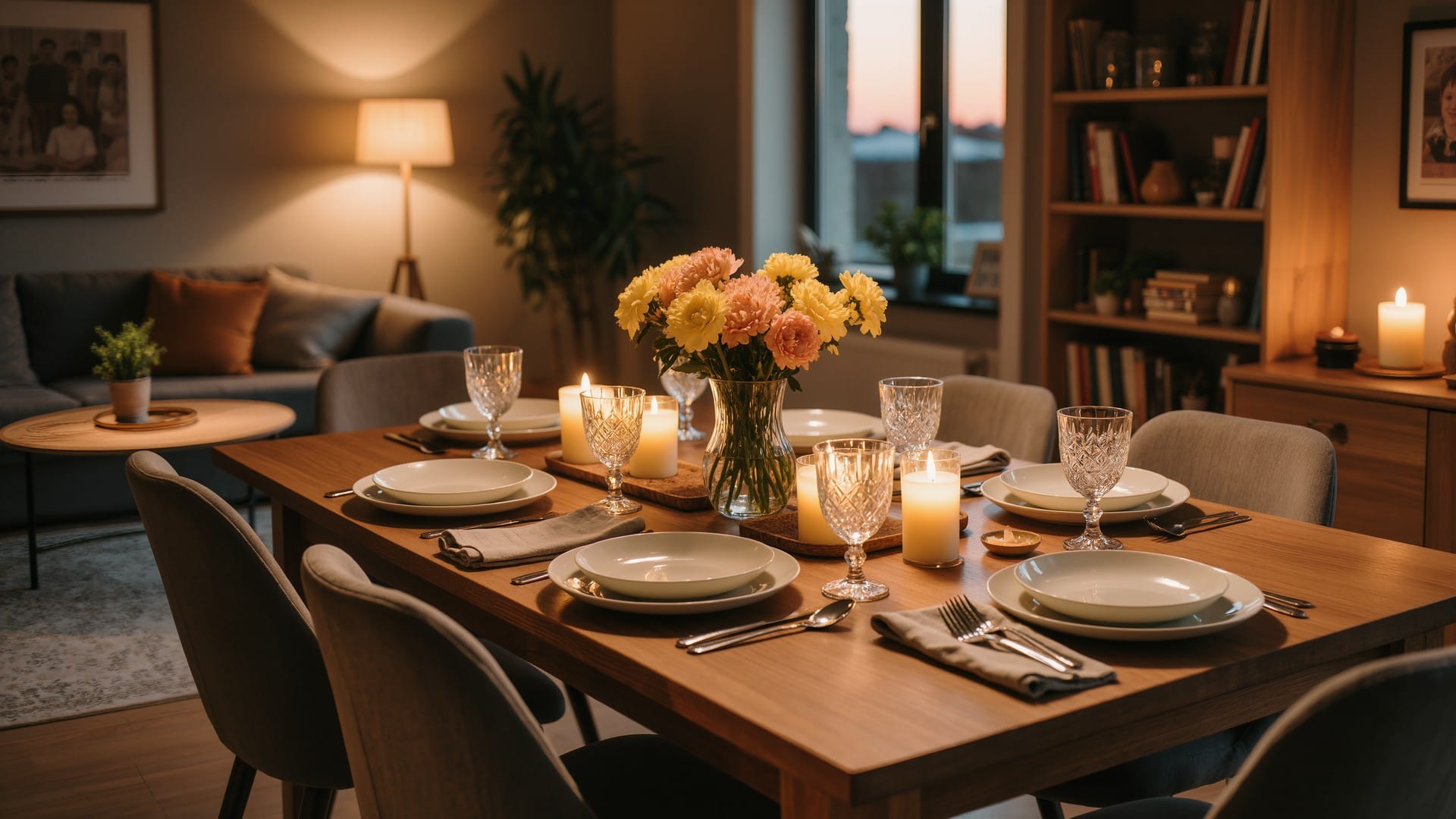
I was halfway through writing the big climax of my latest book when I realized something embarrassing. The scene I was most excited about had nothing to do with the love interest. It was the moment my protagonist's ragtag crew of misfits finally sat down at the same table and admitted they needed each other.
That's when I accepted it: I'm a found family writer. Not by design. Not because some marketing guru told me the trope sells. I just keep doing it, book after book, like some kind of compulsion. So I figured it was time to actually examine why.
Blood is thicker, but chosen is stronger
Here's the thing about biological families in fiction: they come pre-loaded with obligation. A mother who sacrifices for her daughter? Beautiful, but expected. A stranger who risks everything for someone they met six weeks ago because something about that person filled a gap they didn't know they had? That's the stuff that makes me ugly-cry at my own keyboard.
Found family earns its emotional weight differently. There's no DNA-mandated loyalty. Every act of care is a choice, and that choice is what makes it devastating when it works and gutting when it falls apart.
Where it shows up in my books
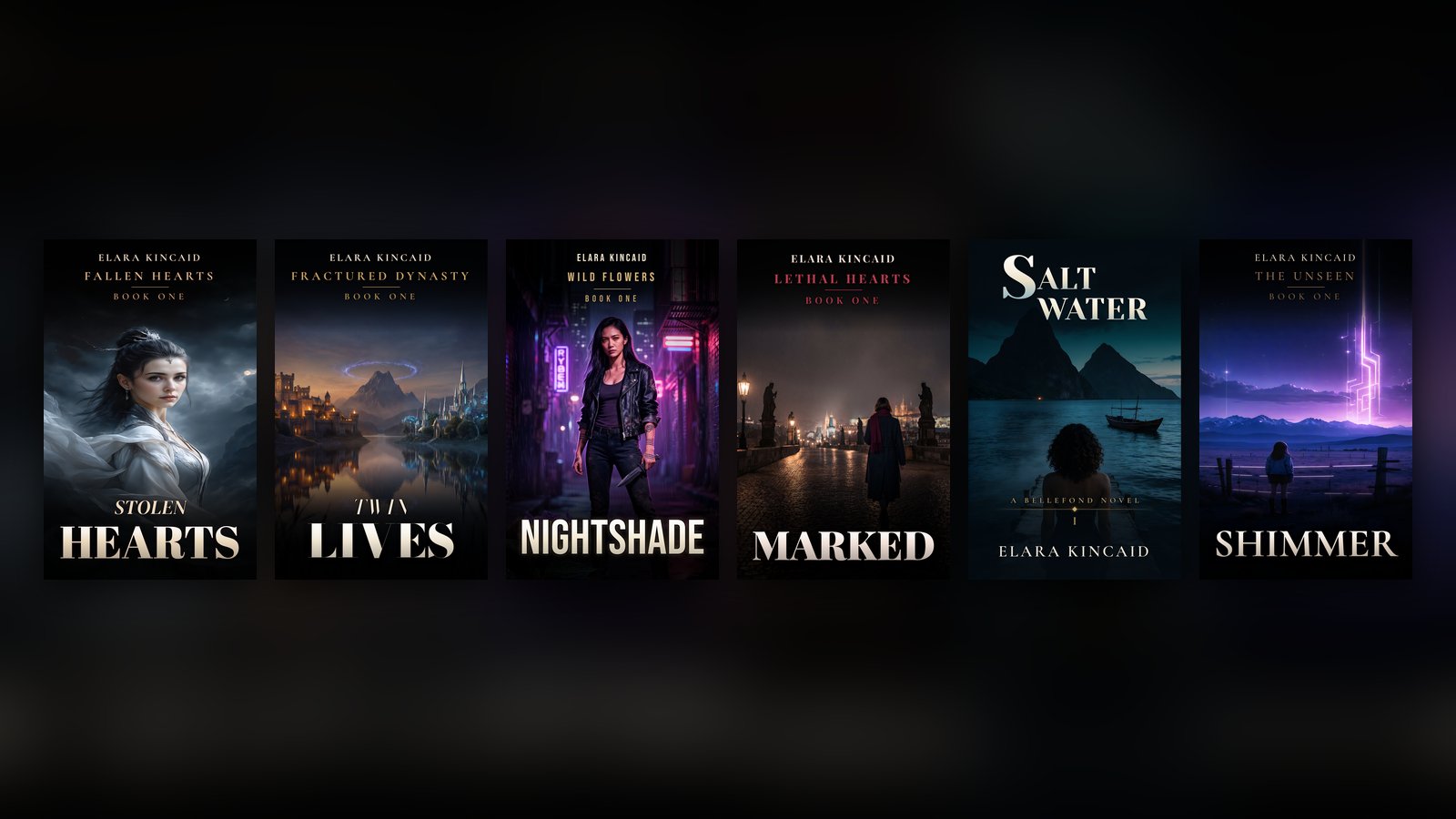
In the Lethal Hearts series, Nyx doesn't trust anyone. That's not a character flaw she overcomes in chapter three — it's load-bearing architecture for the entire story. Every person who cracks through that wall does it slowly, painfully, with setbacks. By the time her crew assembles, you feel the weight of every concession she made to let them in.
The Fallen Hearts books do something different. Aria's found family forms under extreme pressure — war, exile, impossible choices. These people didn't choose each other in a vacuum. They chose each other because the alternative was dying alone, and then they discovered that the bond forged in crisis was the realest thing any of them had ever known.
Both approaches work because both are honest about what found family actually costs. It's not a Hallmark movie. It's messy, conditional, fragile — and worth fighting for precisely because of that fragility.
The kind that gets built instead of given
Aria and Darius are the clearest version of this in my own books. I wrote them as witness to each other rather than rescue — Darius spends the first eight chapters of Stolen Hearts watching a queen hold a kingdom together with her bare hands, and what draws them together isn't a grand gesture, it's the fact that he doesn't flinch from what he sees. That's found family logic even inside a romance: the people who stay are the ones who watched you at your worst and didn't leave the room. By the time Aria's whole found family assembles around her — Darius, later her children, the people who chose her cause when choosing it cost them something real — the reader has watched every one of those bonds get earned in real time, not assumed because the plot needed a support system.
Nyx's crew in Lethal Hearts earns it even more slowly, because she's built to resist it. Every inch she gives Declan is a calculated risk before it is ever affection, and that's deliberate. I didn't want a found family that formed because the story needed a team. I wanted one that formed because a woman who trusts no one ran out of good reasons to keep refusing the people proving, action by action, that they weren't going anywhere.
The dark mirror version
Not every found family in my books is warm, and I think that's worth saying out loud. The Board in my Wild Flowers series is technically a found family too — a sisterhood, women who take each other in, who plant a flower in the same greenhouse the night before their first kill and tend it for as long as they stay. It looks, from the outside, like belonging. It functions, underneath, like an institution that owns the people inside it.
I wrote that version because found family isn't automatically safe just because it's chosen. Chosen bonds can still be exploitative. The Board's women protect each other fiercely and also serve a system that used their loneliness to recruit them in the first place. Writing that alongside Aria's found family — the kind that heals — let me say something I couldn't say with only one version: the difference between a found family and a trap is not the warmth of the welcome. It's whether you're still free to leave.
Why romance does it best
I'll die on this hill: romance is the best genre for found family stories. Not fantasy, not literary fiction. Romance.
Why? Because romance already understands vulnerability. The entire genre is built on the premise that opening yourself to another person is both terrifying and necessary. Found family takes that premise and multiplies it. Instead of one person learning to trust one other person, you've got a whole constellation of damaged people figuring out how to orbit each other without collision.
The romantic relationship at the center grounds it. The found family around it gives the love story roots. My favorite books to write are the ones where the couple is strong but the crew makes them invincible.
The personal bit
I keep writing found family because I believe in it. Not in a vague inspirational-poster way. In the specific way of someone who knows that the people you choose to keep close can save your life just as surely as the people you were born to.
What this means for how I plan a book
These days, when I outline a new project, I ask myself early where the found family scene is going to live, because I have learned that if I don't plan for it, I write toward it anyway and the outline just gets messier. It is not a subplot I bolt on. It is usually the emotional spine the romance gets to lean against. If the found family thread is weak, I have learned to fix that before I touch the love story, because a romance built on top of an unearned support system reads hollow no matter how well the two leads are written.
I do not think this makes me a lesser romance writer for caring about it as much as the central pairing. I think it makes the central pairing survive scrutiny, because readers can tell when two people are falling in love inside a world that actually holds them up, versus two people falling in love in a vacuum with a cast of extras standing around for atmosphere.
That's my take on things, anyway. If you're a found family junkie like me, I think you'll find what you're looking for in my books. And if not — well, there's always enemies-to-lovers. I write plenty of that too.
Find all my books and series on my bookshelf.